Loading...
Serving San Jacinto, CA and surrounding areas. (951) 474-5006
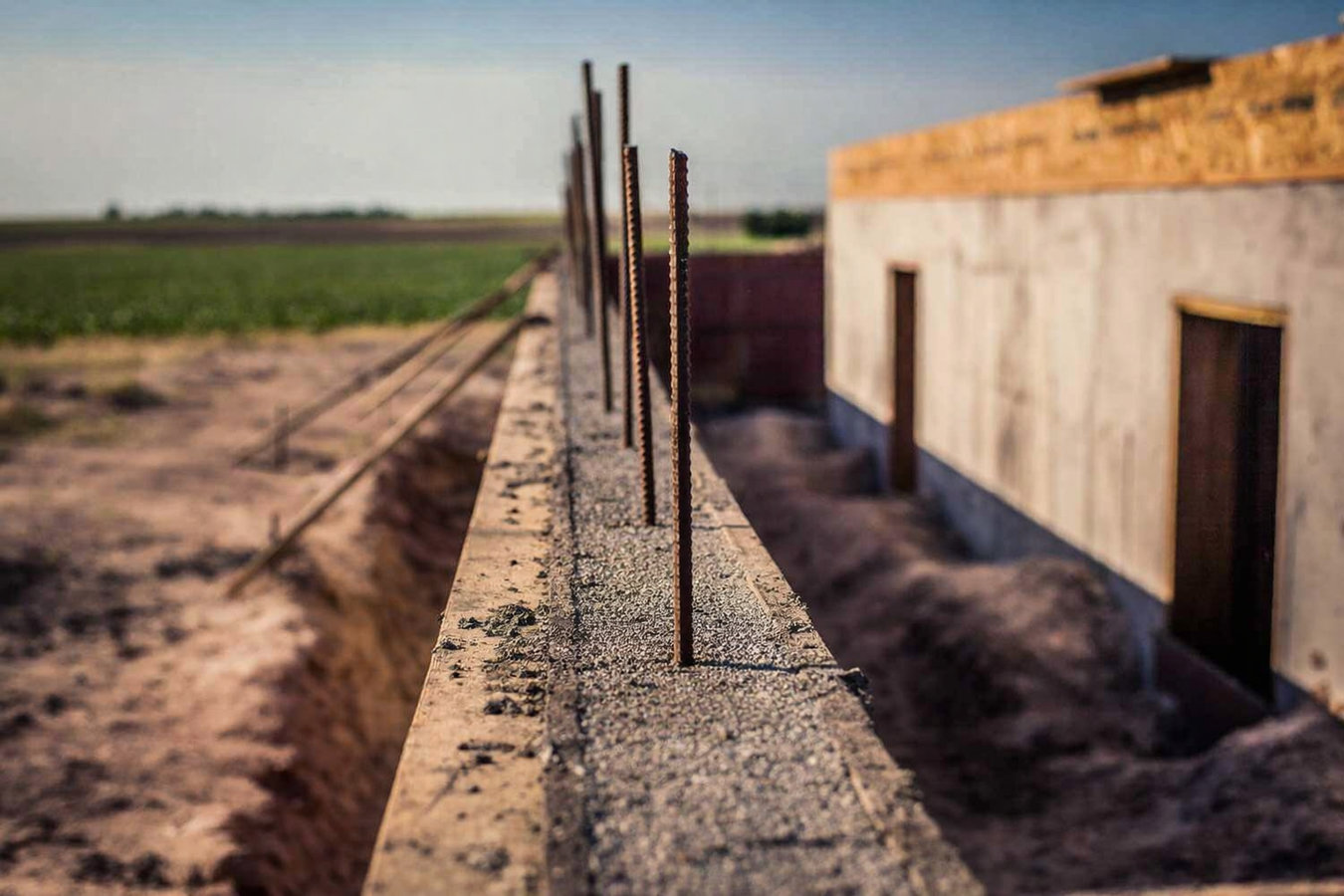
Sunken driveway, tilted patio, or uneven garage floor? San Jacinto clay soils and seismic activity cause slabs to settle. We lift them back to level without tearing anything out.
Foundation raising in San Jacinto lifts sunken or tilted concrete slabs back to their original level by pumping material under the slab to fill voids and push the concrete up - most residential jobs take two to four hours and the surface is usable the same day.
When a slab settles, the fix does not always have to be a full tear-out and replacement. If the concrete itself is still solid - no crumbling edges, no cracks running completely through - raising it back to level is almost always faster and significantly less expensive. San Jacinto homeowners deal with this more than many California cities because the local mix of expansive clay soils and seismic activity near the San Jacinto Fault keeps the ground in motion year-round. That ground movement opens voids under slabs, and once a void forms, the concrete has nothing to rest on and begins to drop. If the settling has also caused structural damage to the home, you may also need a review of your slab foundation before any surface work makes sense.
The right approach depends on what caused the settling in the first place. A contractor who fills the void without identifying the cause - a broken pipe, poor drainage, or unstable fill soil - is setting you up for the same problem again in a year or two. We assess what is happening under your slab before we start, so the repair addresses the actual problem.
When the slab beneath your home shifts, door frames and window frames shift with it. If a door that used to swing freely now drags on the floor or will not latch, that is a sign the floor level has changed underneath it. This is one of the earliest signs homeowners notice - and one of the most reliable.
Walk along the edges of your rooms and look where the floor meets the wall. A gap that was not there before - or one that has grown wider over time - suggests the slab has dropped in that area. In San Jacinto's older neighborhoods, this is common in homes built on soil that was never properly compacted.
Stand in the middle of a room and pay attention to whether the floor feels level. Roll a marble across the surface - if it rolls steadily in one direction, the slab has likely settled unevenly. San Jacinto's expansive clay soils can cause this kind of gradual, one-sided settling that homeowners dismiss as normal until it gets worse.
San Jacinto gets concentrated winter rainfall, and if water is collecting against your foundation or sitting in low spots near the house, it is actively eroding the soil underneath. Over time that erosion creates voids that cause the slab to drop. Address the drainage and have the foundation checked before the next rainy season.
We handle residential slab lifting for driveways, garage floors, patios, front walkways, and pool decks. Every job starts with an on-site assessment of the slab and the soil conditions around it - not just a quote over the phone. We need to see how far the slab has dropped, whether the concrete is still structurally sound, and what likely caused the void to form underneath. For straightforward jobs on intact slabs, we can typically give you a written estimate at the site visit. We use both traditional mudjacking and polyurethane foam injection depending on what the job calls for, and we explain the trade-offs clearly before you decide. For homes where the settling has been severe or where the foundation itself is damaged, we also offer slab foundation building services when a full replacement is the right call.
When a permit is required - typically when the work touches the structural foundation of the home rather than surface flatwork - we handle the application through the City of San Jacinto Building and Safety Division. You do not need to navigate that process yourself. The International Concrete Repair Institute sets the professional standards we follow for concrete repair assessment and method selection.
Suited for homeowners with one or more sunken driveway panels that create a trip hazard or drainage problem.
Right for garage floors that have dropped or tilted, making doors difficult to open and creating standing water issues.
Suited for settled patio slabs or front walkways where the surface is uneven but the concrete is still in good condition.
For pool decks where sections have dropped or separated, creating a safety concern around the water edge.
San Jacinto sits in a valley where two soil types work against concrete slabs year-round. Sandy alluvial deposits shift and compress over time, while pockets of expansive clay swell when wet and shrink when dry - sometimes by several inches in either direction. That constant movement opens voids under slabs faster here than in areas with more stable soil. Add the seismic activity near the San Jacinto Fault Zone - one of the most active fault systems in California - and even minor tremors can accelerate the soil displacement that causes slabs to drop. Many homes in established San Jacinto neighborhoods were built in the 1970s through the 1990s on soil that was not compacted to current standards, which means the settling problem is built into the history of those properties.
We work throughout the valley, including Hemet and Perris. Timing the repair for late spring or early fall - after the wet season but before peak summer heat - gives the stabilized soil the best chance to hold. San Jacinto winters can bring enough concentrated rainfall to make conditions unpredictable, while the long dry summers cause significant soil contraction. Either extreme can affect how a freshly lifted slab settles in the weeks after the work is done.
Tell us where the slab has settled, how long you have noticed it, and whether you have seen cracks or sticking doors. We respond within 1 business day and schedule a free on-site visit - no commitment required.
We walk the settled area, check the slab for cracks, and probe the soil around the edges to understand what is happening underneath. You get a written estimate at this visit - not a verbal ballpark.
We determine whether the City of San Jacinto requires a permit for your job. If one is needed, we handle the application - you do not need to do anything except know it may add a few days before work starts.
The crew drills small holes through the slab, pumps lifting material underneath, and patches the holes before leaving. Most jobs finish in a few hours. If foam is used, the surface is walkable within 30 minutes.
Free on-site assessment. Written quote before any work starts. No pressure.
(951) 474-5006San Jacinto's clay soils and seismic activity mean settling can have more than one cause. We assess what is actually happening under your slab before recommending a method - so the repair addresses the problem, not just the symptom.
We work throughout the San Jacinto Valley and surrounding area. Local presence means we understand the specific soil types, seasonal conditions, and permit requirements that affect slab lifting in this region.
When foundation work requires a City of San Jacinto permit, we handle it. Documented, inspected work protects your home's value and keeps your transaction clean if you sell. The{" "} verifies our license status any time you want to confirm it.
You get a written estimate after the on-site assessment - not a range and not a rough number that changes when the invoice arrives. If anything changes once we are on-site, we tell you before we proceed.
Every foundation raising job we take on starts with an honest conversation about what we found and what we recommend. You can verify our California contractor license on the California Contractors State License Board website before you hire us - that is the baseline check every homeowner in the state should make.
When damaged slab sections need to be removed before a repair or replacement, concrete cutting creates clean edges that hold up long-term.
Learn moreFor slabs too damaged to raise, full slab replacement gives you a new foundation built to current seismic and soil standards.
Learn moreSan Jacinto's winter rains accelerate soil erosion under settled slabs - getting the work done now costs far less than waiting another season.