Concrete Repair & Replacement
Fix cracked, settled, or damaged concrete before problems get worse and more expensive to address.
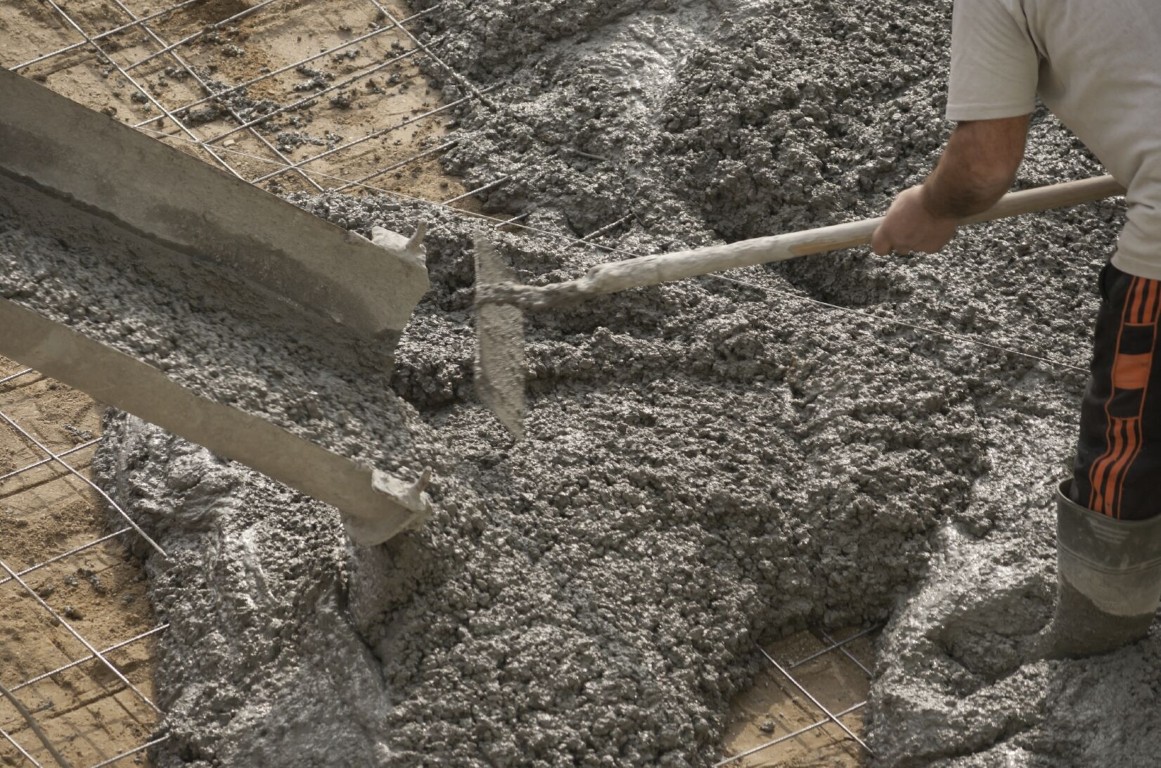
Concrete is durable, but it's not indestructible. Over time, even well-built concrete can develop cracks, settle unevenly, or show signs of wear. The good news is that many concrete problems can be repaired before they require complete replacement. At TownPeak San Jacinto Concrete, we evaluate your damaged concrete and recommend the most cost-effective solution, whether that's repair or replacement.
Don't ignore concrete problems. Small cracks and minor settling get worse over time. Water seeps into cracks and enlarges them. Uneven surfaces become trip hazards. What starts as a minor issue can turn into a major expense if left unaddressed. We help San Jacinto homeowners and businesses fix their concrete problems before they escalate.
Common Concrete Problems We Fix
Understanding what causes concrete damage helps you make informed decisions about repair versus replacement. Here are the issues we see most often in San Jacinto.
Cracks
Small hairline cracks are normal and usually don't indicate structural problems. Wider cracks (more than 1/4 inch), especially if they're getting bigger, need attention. Cracks can result from settling, temperature changes, improper installation, or excessive weight. We assess the crack's severity and determine if it can be repaired or if the section needs replacement.
Settling and Sinking
When soil beneath concrete erodes or compacts, the slab settles unevenly. This creates trip hazards on walkways, causes water to pool on patios, and looks unsightly on driveways. Sometimes we can lift settled concrete using mudjacking or foam injection techniques. Other times, removal and replacement with proper base preparation is the better long-term solution.
Spalling and Surface Damage
Spalling is when the concrete surface flakes, pits, or peels away. This often happens due to water intrusion and freeze-thaw cycles (less common in San Jacinto but possible), poor finishing techniques, or the use of de-icing chemicals. Surface damage can sometimes be repaired with concrete resurfacing. Extensive spalling usually means replacement is needed.
Root Damage
Tree roots are surprisingly strong and can lift and crack concrete as they grow. This is common under driveways and sidewalks near mature trees. We can remove the damaged section, address the root issue, and install new concrete with root barriers if needed.
Erosion and Base Failure
If the base under your concrete wasn't properly compacted or has washed away due to poor drainage, the concrete loses support and will eventually crack or settle. This type of damage usually requires removal and replacement with proper base installation.
- Safety hazards: Uneven surfaces and raised edges create trip and fall risks, especially for children and elderly family members.
- Water problems: Cracks and settling allow water to flow toward foundations or pool in unwanted areas.
- Decreased property value: Damaged concrete makes your entire property look neglected and reduces curb appeal.
- More expensive repairs later: Minor problems become major issues if ignored, costing much more to fix down the road.
The sooner you address concrete damage, the more options you have and the less it will cost. We provide honest assessments and won't recommend replacement if repair will work.
When to Repair vs When to Replace
This is the key question we help you answer. Here's how we approach the decision.
Good Candidates for Repair
Concrete that's structurally sound but has cosmetic issues often benefits from repair. Small cracks can be filled and sealed. Minor surface damage can be covered with thin overlays or resurfacing. Slightly settled sections might be lifted with mudjacking. If the damage is limited to one section and the rest of the concrete is in good shape, targeted repairs make sense.
When Replacement is Better
Extensive cracking, significant settling, severe surface damage, or base failure usually mean replacement is the wiser investment. If your concrete is more than 20 to 30 years old and showing multiple problems, replacement often costs only moderately more than repairs but gives you decades more life. We also recommend replacement when repairs would only be a temporary fix.
Our Replacement Process
When replacement is needed, we remove the old concrete and properly dispose of it. We then evaluate and address any underlying issues that caused the original problem - poor drainage, inadequate base, root intrusion, etc. The new concrete is installed just like a new installation project, with proper site prep, compacted base, reinforcement, and quality concrete. This ensures your replacement concrete will last for decades.
We can often match the color and texture of existing concrete if you're only replacing a section. For decorative concrete replacements, we offer stamped and colored options that turn a repair project into an upgrade opportunity.
Not sure if you need repair or replacement?
We'll come to your property, evaluate the damage, explain your options, and provide pricing for both approaches when applicable. Get the information you need to make the right decision.
Call (951) 474-5006Preventing Future Concrete Problems
Once we repair or replace your concrete, you'll want to protect your investment. Here are simple maintenance steps that extend concrete life and prevent damage.
Keep it clean: Regular cleaning with a pressure washer removes dirt, stains, and organic growth that can damage the surface over time. Clean your concrete at least once or twice per year.
Seal the surface: A quality concrete sealer protects against water intrusion, staining, and surface damage. Driveways and patios benefit from resealing every 2 to 3 years. This simple step dramatically extends concrete life.
Address drainage issues: Make sure water flows away from your concrete surfaces. Gutters, downspouts, and yard grading should direct water away, not toward your concrete. Standing water causes problems over time.
Fix small cracks quickly: Don't wait for small cracks to become large ones. Simple crack filling is inexpensive and prevents water from getting deeper into the concrete and causing bigger issues.
Be careful with de-icers: While freezing isn't common in San Jacinto, if you ever need to use de-icing products, choose ones that are concrete-safe. Standard rock salt can damage concrete surfaces.
These basic maintenance practices are easy to do and can add many years to your concrete's lifespan. If you're not sure about the condition of your concrete or how to maintain it, we're happy to provide guidance.
Frequently Asked Questions
Get Your Concrete Evaluated Today
Serving San Jacinto and surrounding communities with honest concrete repair and replacement services. Let us assess your concrete and provide options that fit your needs and budget.
Call (951) 474-5006